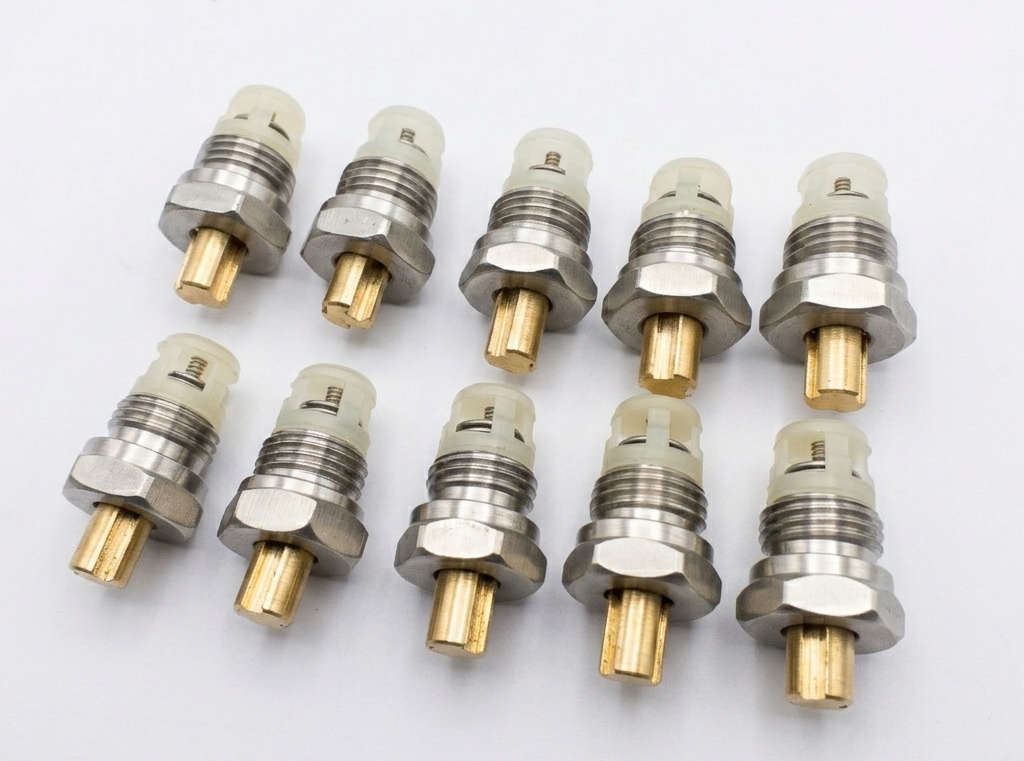
Pneumatic motors are widely used in industrial spray painting equipment because they provide reliable power, operate safely in demanding environments, and require relatively simple maintenance. Among the many components that keep these motors functioning efficiently, the sensing valve plays a vital role. Although it is a relatively small spare part, its performance directly affects motor efficiency, air consumption, and equipment reliability.
For manufacturing companies operating in Chakan, where automotive, engineering, and heavy industrial production continue to expand, understanding the importance of this component can help reduce unexpected downtime and improve equipment performance.
What Is a Sensing Valve?
A sensing valve is an internal control component of a pneumatic motor that regulates airflow during operation. It helps manage the switching cycle of compressed air, allowing the motor to move smoothly while maintaining consistent performance.
Without a properly functioning sensing valve, the pneumatic motor may struggle to complete its operating cycle, leading to reduced efficiency and inconsistent spray performance.
Although it remains hidden inside the motor assembly, this component has a significant influence on the reliability of the entire spray painting system.
Why the Sensing Valve Matters
Industrial spray painting depends on stable air pressure and uninterrupted pump movement. The sensing valve contributes to this by ensuring that compressed air reaches the correct sections of the motor at the right time.
Its key functions include:
- Controlling airflow direction
- Supporting smooth motor cycling
- Maintaining operating efficiency
- Reducing unnecessary air loss
- Improving overall equipment stability
When the valve performs correctly, the spray system delivers more consistent coating results while consuming compressed air efficiently.
Common Signs of a Faulty Sensing Valve
Because the sensing valve is located inside the pneumatic motor, problems are not always immediately obvious. However, certain operating symptoms often indicate that inspection is necessary.
Common warning signs include:
- Irregular motor cycling
- Reduced pumping speed
- Sudden pressure fluctuations
- Increased compressed air consumption
- Unexpected motor stalling
- Inconsistent spray output
- Frequent production interruptions
Ignoring these signs can place additional stress on other motor components and increase repair costs over time.
Causes of Valve Failure
Several operating conditions can shorten the service life of a sensing valve.
These include:
- Contaminated compressed air
- Moisture entering the pneumatic system
- Lack of preventive maintenance
- Worn internal seals
- Continuous high-duty operation
- Poor-quality replacement parts
Maintaining clean and dry compressed air is one of the most effective ways to protect pneumatic motor components.
Choosing the Right Replacement Valve
Not every spare part is suitable for every pneumatic motor. Before replacing a sensing valve, maintenance teams should evaluate several factors.
Equipment Compatibility
The valve should match the motor design and operating specifications to ensure proper airflow control.
Material Quality
Industrial-grade materials improve durability and withstand continuous operating cycles.
Precision Manufacturing
Accurate dimensions help maintain proper sealing and reduce internal air leakage.
Reliable Performance
High-quality valves support stable motor operation, reducing unnecessary downtime and maintenance.
Maintenance Tips for Longer Equipment Life
Routine maintenance helps extend the lifespan of pneumatic motors and their internal components.
Recommended practices include:
- Inspect compressed air filters regularly.
- Drain moisture from air lines.
- Replace worn seals promptly.
- Monitor motor performance during operation.
- Use genuine industrial-grade spare parts.
Preventive maintenance reduces the likelihood of unexpected failures and keeps production running efficiently.
Why Component Quality Makes a Difference
Industrial spray systems often operate for long hours under demanding production schedules. Even a minor internal component can affect the efficiency of the entire system if it fails prematurely.
Companies such as Rajeshi Tools manufacture industrial spray painting equipment and pneumatic system components designed for consistent industrial performance. Using dependable replacement parts helps improve equipment reliability while minimizing production interruptions.
As industrial manufacturing continues to grow across Maharashtra, businesses in Chakan increasingly recognize the value of maintaining pneumatic spray systems with quality components. A properly functioning sensing valve supports smoother motor operation, better coating consistency, and more dependable day-to-day production.