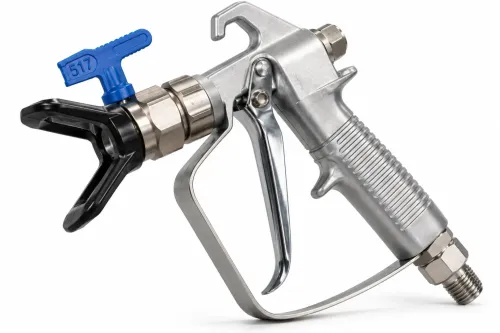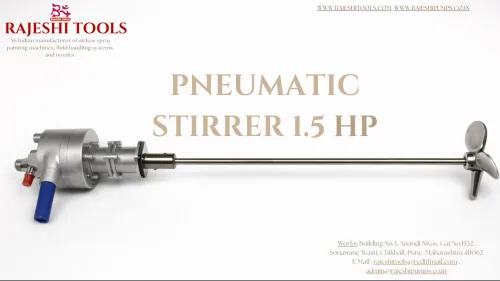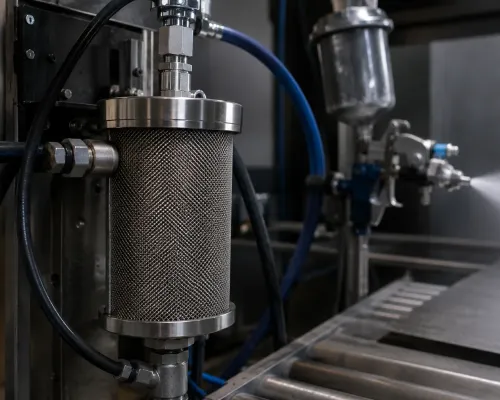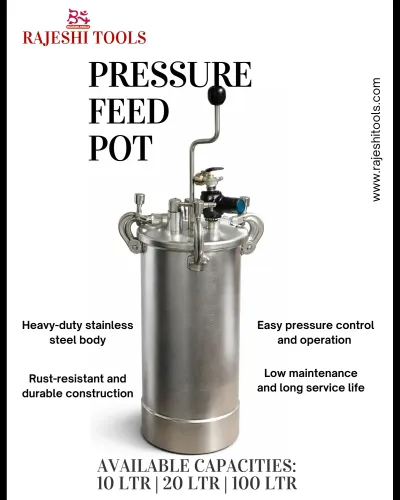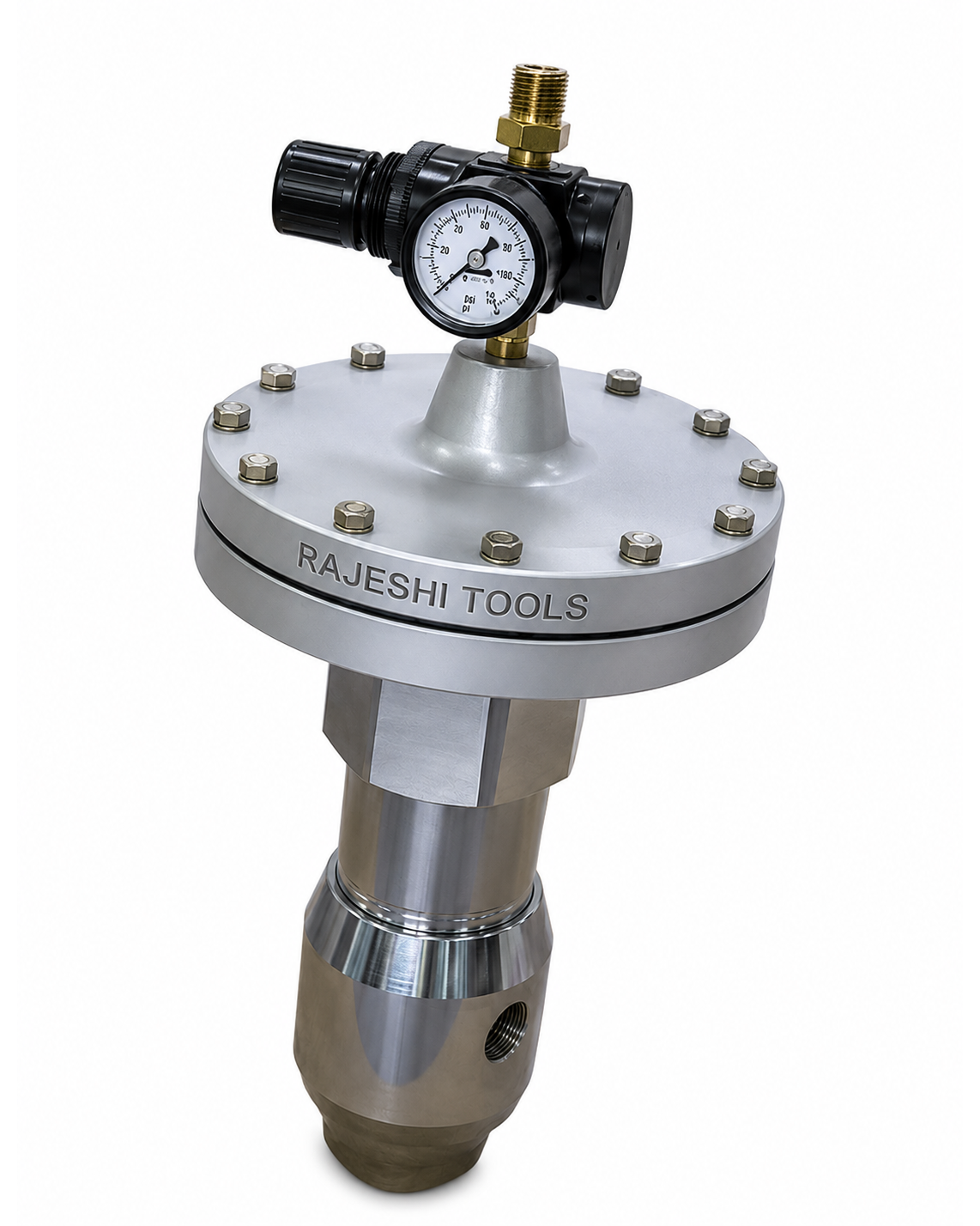
Industrial spray coating demands accuracy, especially when working with high-viscosity materials such as mastics, sealants, and protective coatings. Even small variations in material flow can affect coating thickness, finish quality, and overall production efficiency. A mastic regulator plays an important role in maintaining stable pressure and ensuring a controlled flow of coating material throughout the spraying process.
For manufacturing facilities in PCMC, where industries ranging from automotive to heavy engineering depend on consistent finishing processes, selecting the right pressure regulation equipment can significantly improve productivity while reducing material wastage.
Understanding the Role of a Mastic Regulator
A mastic regulator is designed to control the pressure of thick coating materials before they reach the spray gun. Unlike standard regulators that work well with low-viscosity paints, mastic regulators are built to handle heavier coatings without causing pressure fluctuations.
Maintaining consistent pressure allows operators to achieve:
- Uniform coating thickness
- Smooth spray patterns
- Reduced overspray
- Better adhesion
- Improved finishing quality
This level of control becomes increasingly important when applying industrial coatings that must withstand harsh operating environments.
Why Stable Pressure Matters
Pressure variations often lead to inconsistent spray performance. If the pressure drops unexpectedly, coating material may not atomize properly. Excessive pressure, on the other hand, can create overspray, increase material consumption, and produce uneven finishes.
A properly functioning regulator helps maintain balance by:
- Delivering consistent material flow
- Preventing sudden pressure spikes
- Supporting continuous spraying
- Improving coating accuracy
The result is a smoother production process with fewer interruptions.
Industries That Benefit from Mastic Regulators
Many industrial sectors use high-build protective coatings that require reliable pressure control.
Common applications include:
- Automotive manufacturing
- Steel fabrication
- Construction equipment production
- Heavy machinery manufacturing
- Structural engineering
- Industrial maintenance workshops
- Pipeline coating facilities
- Marine equipment manufacturing
These industries often work with demanding coating specifications where consistency directly influences product durability.
Features to Look for
Not every regulator is suitable for heavy industrial applications. Procurement managers should evaluate equipment based on several important characteristics.
High Pressure Capability
Industrial coatings often require higher operating pressures than conventional paint systems. The regulator should perform consistently under demanding conditions.
Durable Construction
Heavy-duty materials such as stainless steel and hardened internal components improve resistance to wear caused by abrasive coatings.
Accurate Pressure Adjustment
Fine pressure control allows operators to adapt the system to different coating materials without affecting finish quality.
Easy Maintenance
Accessible internal components reduce servicing time and minimize production downtime.
Compatibility
The regulator should integrate smoothly with existing spray systems, pumps, and dispensing equipment.
Common Problems Caused by Poor Pressure Regulation
Facilities sometimes experience coating issues without realizing the regulator is contributing to the problem.
Typical signs include:
- Uneven coating thickness
- Inconsistent spray fan
- Frequent pressure fluctuations
- Excessive paint consumption
- Material pulsing
- Poor surface finish
- Increased rework
Replacing or upgrading an outdated regulator often resolves these production challenges.
Maintenance Best Practices
Routine inspection helps extend the life of a mastic regulator.
Recommended practices include:
- Inspect seals regularly.
- Clean internal passages to prevent buildup.
- Monitor pressure readings during operation.
- Replace worn components promptly.
- Follow manufacturer servicing intervals.
Preventive maintenance helps avoid unexpected production interruptions and maintains consistent coating quality.
Selecting the Right Equipment
Every production line has different coating materials, operating pressures, and output requirements. Choosing equipment based only on price may lead to higher maintenance costs and inconsistent performance over time.
Working with experienced manufacturers that understand industrial spray systems helps businesses identify regulators suited to their specific applications. Companies such as Rajeshi Tools develop industrial spray painting solutions designed for demanding manufacturing environments, supporting industries that require dependable pressure control and long-term operational reliability.
As manufacturing continues to expand across Maharashtra, businesses in PCMC increasingly rely on precision spray equipment to improve coating quality while controlling operating costs. Investing in a well-designed mastic regulator contributes to better production consistency, reduced material waste, and more reliable finishing results.